
The Expanding Role of DEXA in Modern Healthcare
Dual-Energy X-ray Absorptiometry (DEXA or DXA) has traditionally been known as the gold standard for Bone Mineral Density (BMD) assessment and osteoporosis diagnosis. Today, however, DEXA has evolved far beyond traditional radiology and is now playing an important role in sports medicine, obesity management, orthopedics, endocrinology, and longevity-focused healthcare.
With the ability to accurately measure bone density, lean muscle mass, body fat, and visceral fat, DEXA is becoming one of the most versatile diagnostic tools in modern preventive medicine.
In Australia, We (HEDI Tech) continue to strengthen our position as a trusted partner and supplier of advanced diagnostic imaging solutions, including DXA systems manufactured by OsteoSys, a global manufacturer specializing in bone densitometry and body composition technology.
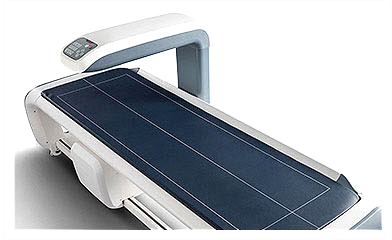
DEXA in Radiology Clinics
The most recognized application of DEXA remains Bone Mineral Density (BMD) assessment in radiology and imaging clinics.
DEXA is widely used for:
- Osteoporosis diagnosis
- Osteopenia monitoring
- Fracture risk assessment
- Follow-up treatment evaluation
Common patient groups include:
- Postmenopausal women
- Elderly patients
- Patients on long-term steroid therapy
- Patients with endocrine disorders
Radiology clinics value DEXA because it offers:
- High accuracy
- Low radiation dose
- Fast scan times
- Excellent reproducibility
Modern systems from OsteoSys also provide advanced reporting, FRAX assessment, and whole-body analysis capabilities, making them suitable for both routine bone density and advanced clinical applications.
DEXA in Sports Medicine & Performance Clinics
Sports medicine clinics increasingly rely on DEXA not only for bone strength assessment, but also for body composition analysis.
DEXA allows clinicians and trainers to measure:
- Lean muscle mass
- Body fat percentage
- Muscle symmetry
- Visceral fat
- Bone strength
This helps athletes and rehabilitation teams:
- Monitor performance
- Track muscle development
- Reduce injury risk
- Evaluate recovery after injury
- Assess stress fracture risk
Whole-body composition analysis has become one of the fastest-growing applications of DEXA in high-performance and rehabilitation environments.
DEXA in Obesity & Weight Management Clinics
One of the fastest-growing uses of DEXA is within medical weight loss and obesity management clinics.
Unlike standard scales or BMI measurements, DEXA can distinguish between:
- Fat loss
- Muscle loss
- Visceral fat reduction
This allows clinicians to monitor whether patients are losing unhealthy fat while preserving muscle mass.
DEXA is increasingly used to:
- Track weight loss progress
- Monitor body composition changes
- Support metabolic health programs
- Assess outcomes from GLP-1 medications and supervised weight loss treatments
As obesity management becomes more medically focused, accurate body composition analysis is becoming increasingly important.
DEXA in Orthopedics & Rehabilitation
Orthopedic and rehabilitation clinics are also expanding their use of DEXA technology.
Applications include:
- Bone quality assessment
- Fracture risk evaluation
- Monitoring muscle imbalance
- Rehabilitation tracking after injury or surgery
- Sarcopenia assessment
DEXA can help clinicians evaluate muscle loss and asymmetry after immobilization or orthopedic procedures, supporting more accurate rehabilitation planning.
DEXA in Endocrinology & Metabolic Clinics
Endocrinologists frequently use DEXA for both bone health and metabolic assessment.
DEXA is valuable in patients with:
- Thyroid disorders
- Hormonal imbalances
- Diabetes
- Menopause-related bone loss
- Long-term steroid exposure
Modern DEXA systems help clinicians monitor:
- Bone density
- Visceral fat
- Lean muscle mass
- Sarcopenia risk
This combination makes DEXA highly valuable in metabolic and preventive healthcare settings.
DEXA in Longevity & Preventive Medicine
Longevity clinics are increasingly adopting DEXA as part of preventive and healthy aging programs.
Rather than focusing only on disease treatment, these clinics use DEXA to proactively monitor:
- Muscle preservation
- Bone health
- Visceral fat
- Healthy aging markers
DEXA plays an important role in identifying early sarcopenia and hidden metabolic risks, making it highly aligned with modern preventive healthcare strategies.
HEDI Tech & OsteoSys
As the applications of DEXA continue to expand, healthcare providers require systems that combine clinical accuracy, advanced software, and reliable local support.
HEDI Tech supplies DXA systems manufactured by OsteoSys across Australia, supporting radiology clinics, sports medicine facilities, orthopedic centers, longevity clinics, and preventive health providers.
With a strong focus on service, support, and long-term partnerships, HEDI Tech has built a reputation as a trusted imaging partner within the Australian healthcare market.
Conclusion
DEXA technology has evolved into a multi-disciplinary diagnostic solution used across radiology, sports medicine, obesity management, orthopedics, endocrinology, and longevity medicine.
Its ability to accurately assess bone, muscle, and fat makes it one of the most valuable tools in preventive healthcare and body composition analysis.
Tamer Adel
Date: 20 May 2026